Christian Molenaarartist

Christian Molenaar

California

christianmolenaar.com

Christian Molenaar is a multi-disciplinary artist from San Diego, CA. His extensive body of work has incorporated film, painting and music, including appearances on nearly 200 recordings in a wide variety of styles as well as performances in multiple countries. His work often includes hand-built electronics and instruments in a broad array of stylistic influences from free improvisation and harsh noise to American primitivism. His work has been featured at the Festival de Cannes and covered by NPR, The Wire, The Needle Drop, PopMatters and more. Molenaar has performed with Patrick Shiroishi, Tatsuya Nakatani, Martรญn Escalante and many more. His recorded output includes collaborations with Xiu Xiu, Kazumoto Endo, Locrian, and members of Ramleh, Deafheaven, Full of Hell and Pig Destroyer.

Sort by:
Jeremiah XVII

Jeremiah XVII

Christian Molenaar

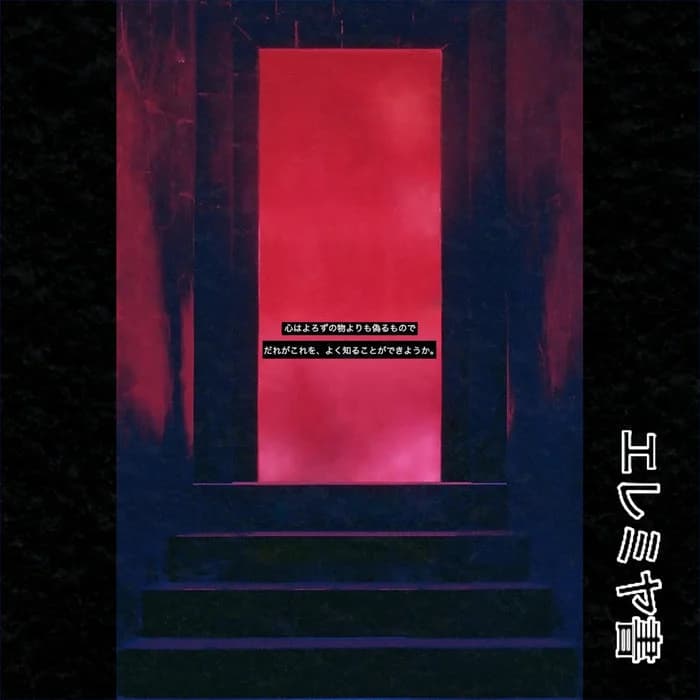
Another artist might call an album like ๐˜‘๐˜ฆ๐˜ณ๐˜ฆ๐˜ฎ๐˜ช๐˜ข๐˜ฉ ๐˜Ÿ๐˜๐˜๐˜ their most challenging or adventurous. Across eleven tracks, searing theremins and pulsing reggaeton beats collide with downcast country and fairground field recordings. For Christian Molenaar, it's what counts as a pop record. It would be tough to accuse a collection of songs spanning apocalyptic folk, feedback-drenched soul and steel guitar-laden bedroom pop of "selling out," but Molenaar uses his diverse musical palette as a springboard to launch the catchiest, most direct songwriting of his vast discography. ๐˜‘๐˜ฆ๐˜ณ๐˜ฆ๐˜ฎ๐˜ช๐˜ข๐˜ฉ ๐˜Ÿ๐˜๐˜๐˜ builds off the sound Molenaar introduced on February's ๐˜”๐˜ถ๐˜ด๐˜ข๐˜ค๐˜ฆ๐˜ข๐˜ฆ ๐˜Œ๐˜ฒ๐˜ถ๐˜ช๐˜ฏ๐˜ฐ๐˜น, a boundary-breaking trip through chamber prog, post-punk, math metal and country, but where that album's ecstatic genre-hopping sprang forth as a pure expression of joy, ๐˜‘๐˜ฆ๐˜ณ๐˜ฆ๐˜ฎ๐˜ช๐˜ข๐˜ฉ ๐˜Ÿ๐˜๐˜๐˜ instead traces a mosaic of doomed relationships through circuit-bent synths and homemade guitar effects. To create the album's distinct sound, Molenaar built a suite of DIY instruments, including optical theremins and homebrew synthesizers, all fed through hand-wired contact mics and bespoke fuzz pedals. "I needed to get further inside the sound," Molenaar says, "to really inhabit the process." But for all the squalling feedback and distorted vocals, ๐˜‘๐˜ฆ๐˜ณ๐˜ฆ๐˜ฎ๐˜ช๐˜ข๐˜ฉ ๐˜Ÿ๐˜๐˜๐˜ stands out on the strength of Molenaar's songwriting. Embracing the sadness and anger of a lifetime of failures and disappointments, Molenaar transmutes these negative emotions into his catchiest, most affecting material yet. An iconoclast notorious for the sheer breadth of his musical and literary knowledge, ๐˜‘๐˜ฆ๐˜ณ๐˜ฆ๐˜ฎ๐˜ช๐˜ข๐˜ฉ ๐˜Ÿ๐˜๐˜๐˜ finds Molenaar makingโ€”there's no other way to put itโ€”his most stripped-down and personal album of his career.

Released: 10/16/2026

72 left

Musaceae Equinox

Musaceae Equinox

Christian Molenaar

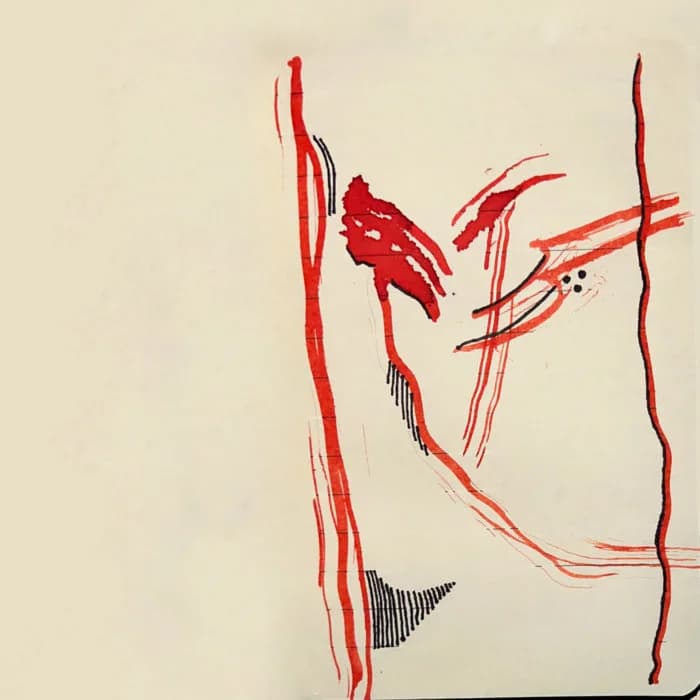
Musaceae Equinox began life as a series of improvisations on my neighbor's piano while I watched their cats. (Hi, Coopers!) Those piano improvisations started calling out for other instruments to join the mix and soon I thought I'd have a new collection of chamber pieces, until those chamber pieces started calling out for words and lyrics. After six months or so of work, I have a new album incorporating everything from orchestral synthprog and lo-fi trip-hop to progressive metal and cosmic Americana. This album covers a lot of ground and I'm deeply proud of the final product. I played every instrument on the album including the aforementioned piano, drums, strings, various guitars (acoustic, electric, lap steel) and more trombone than I've touched since my high school ska band days. The pieces are even more kaleidoscopic and ambitious in scope than those on Folies Meurtriรจres but also more cohesive and, dare I say, listenable. I was inspired by Mary Shelley's "modern Prometheus" to make this album a true process of transformation. Besides Frankenstein, the album features notably fewer literary references than most of my recent work, though of course they appear (it's me, after all): "The Devil in a Forest" takes its title from the eponymous Gene Wolfe novel, "Gigue Like This" borrows from Pound's Cantos and "Piccolo Paradiso" sets the Harold Norse poem of the same name. The cover is one of my bats' blood paintings, which for some reason or another tend to pop up adjacent to Shelley.

Released: 2/6/2026

71 left